
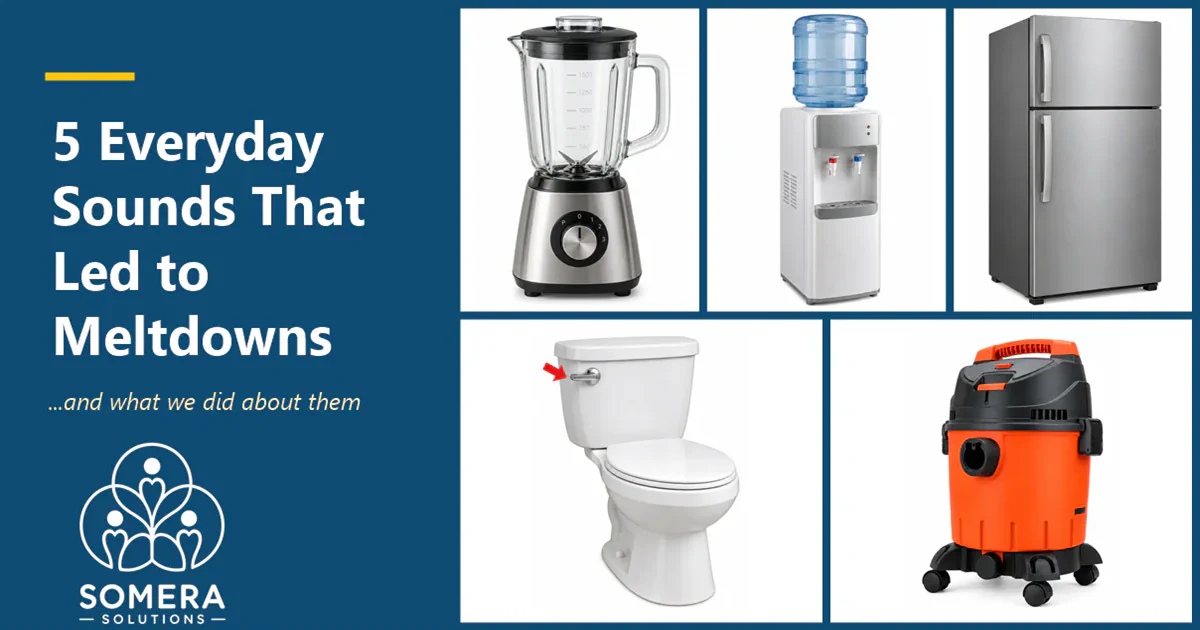
The sounds that hurt him most are the ones most homes never notice: the fridge, the flush, the water dispenser.
We did not really hear those sounds. They were part of the house, like the walls. For our son, they were much more than that.
Why does my child have meltdowns at household sounds? Some children find everyday sounds too loud or too sudden. For our son, five sounds caused it: the blender, the water dispenser, the fridge, the toilet flush and the vacuum cleaner. Noticing the sound is the first step. This is not a diagnosis; a licensed professional can assess further.
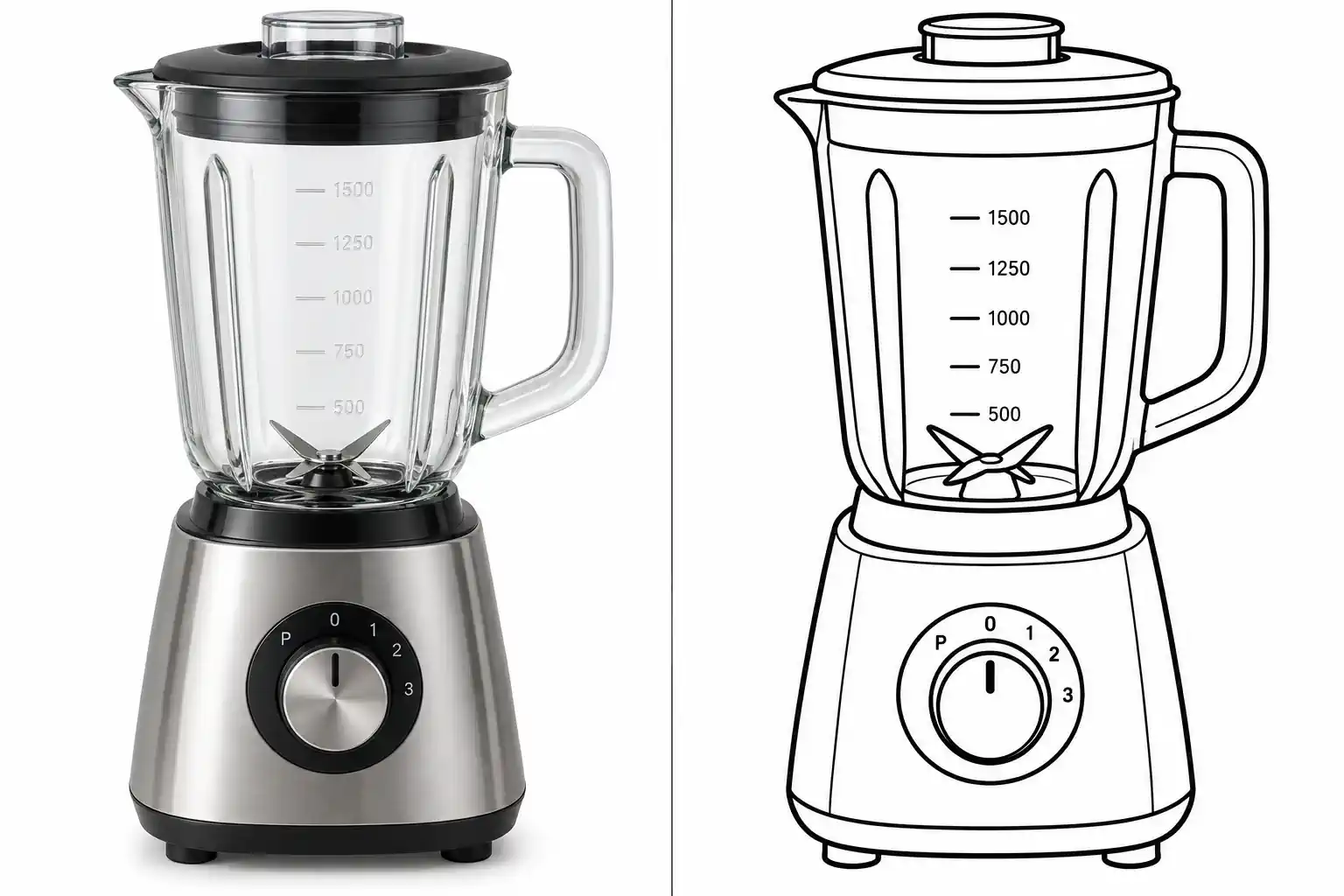
Sound 1: Why was the blender so hard?
Imagine a smoke alarm that is set too sensitive. It goes off at toast. Nobody is in danger, but the whole house jumps. That is the closest picture we have of how an everyday sound can land on a child. It is only a picture to help us understand, but it helped us stop asking, “Why is he making such a fuss?”
A meltdown has a reason. For our son, the reason was often a sound.
With most sounds, the pattern was the same. He covered his ears, and he moved far away from the noise.
We had a choice to make. We read somewhere that there are two options: exposure and avoidance. Avoidance means we keep the sound away from him. Exposure means he meets the sound a little at a time. We chose exposure, but we made it play-based. It was a risk we had to take, and we did not take it lightly.
A children’s health site, Nemours KidsHealth, shares a similar idea. It says getting kids used to a sound may help, for example by turning on a vacuum while you are there, and that you should move your child away if the sound is upsetting. It also suggests seeing a doctor if you are worried.
Please hear this part. This is what we chose for our son. Every child is different, and a licensed professional can guide you on what fits your child.
So, the blender. We blended anything, for a very short time. Just a few seconds, then we stopped. Then we did it again, a little longer. We kept going until he got used to it.
Sound 2: What was it about the water dispenser?
This one surprised us. It was the sound the dispenser makes when the cold and hot water are ready. A small sound, if you ask us. A big one, for our son.
Again, he covered his ears and moved far away.
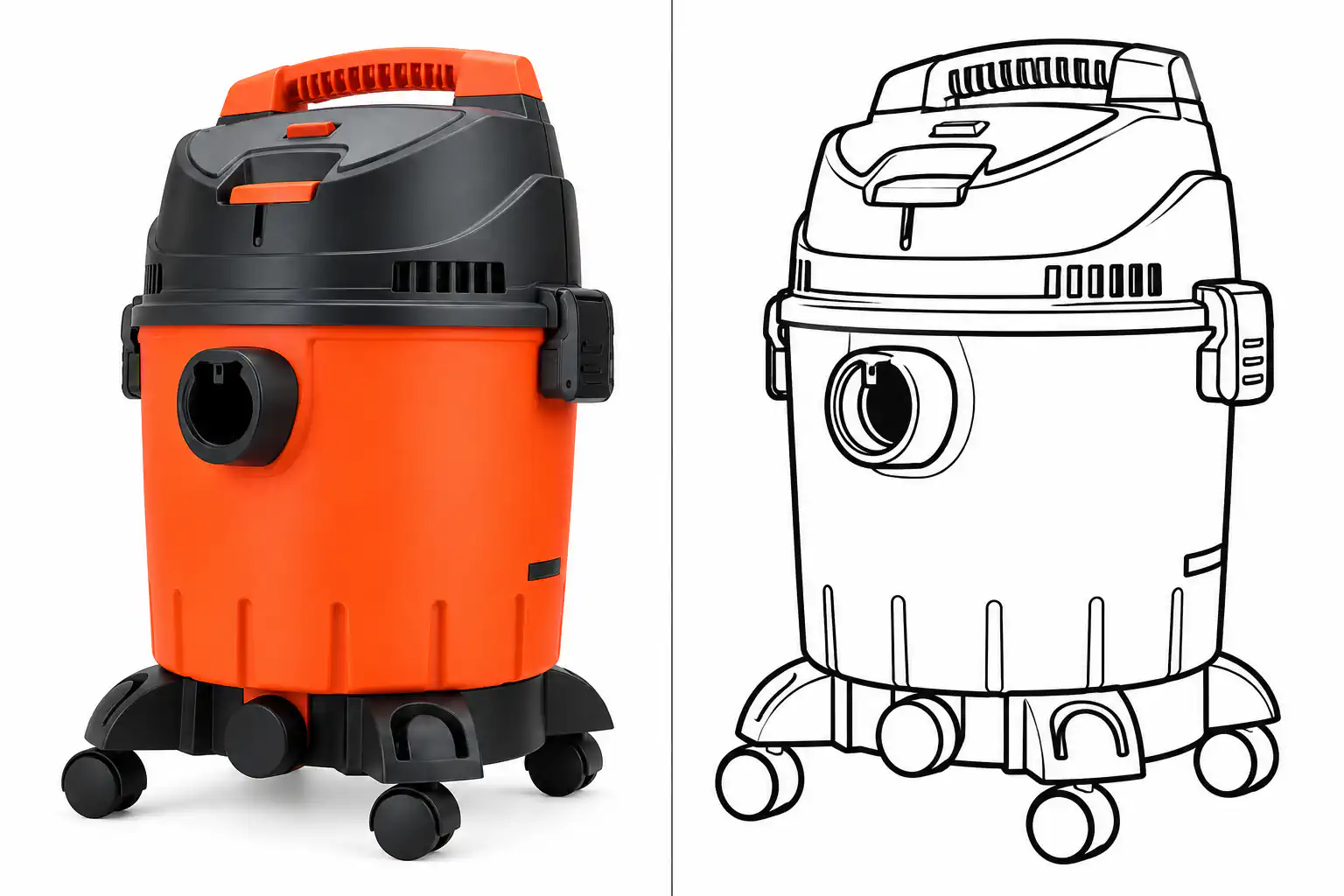
Here is what we did. We made a black-and-white drawing of the dispenser and turned it into a coloring activity. He colored it in, and the dispenser became something he made, not something that startled him.
Later came a moment we still smile about. He had the courage to turn off the dispenser himself. For a child who used to run, that is a real win, and we celebrated it.

Sound 3: Why did the ref bother him?
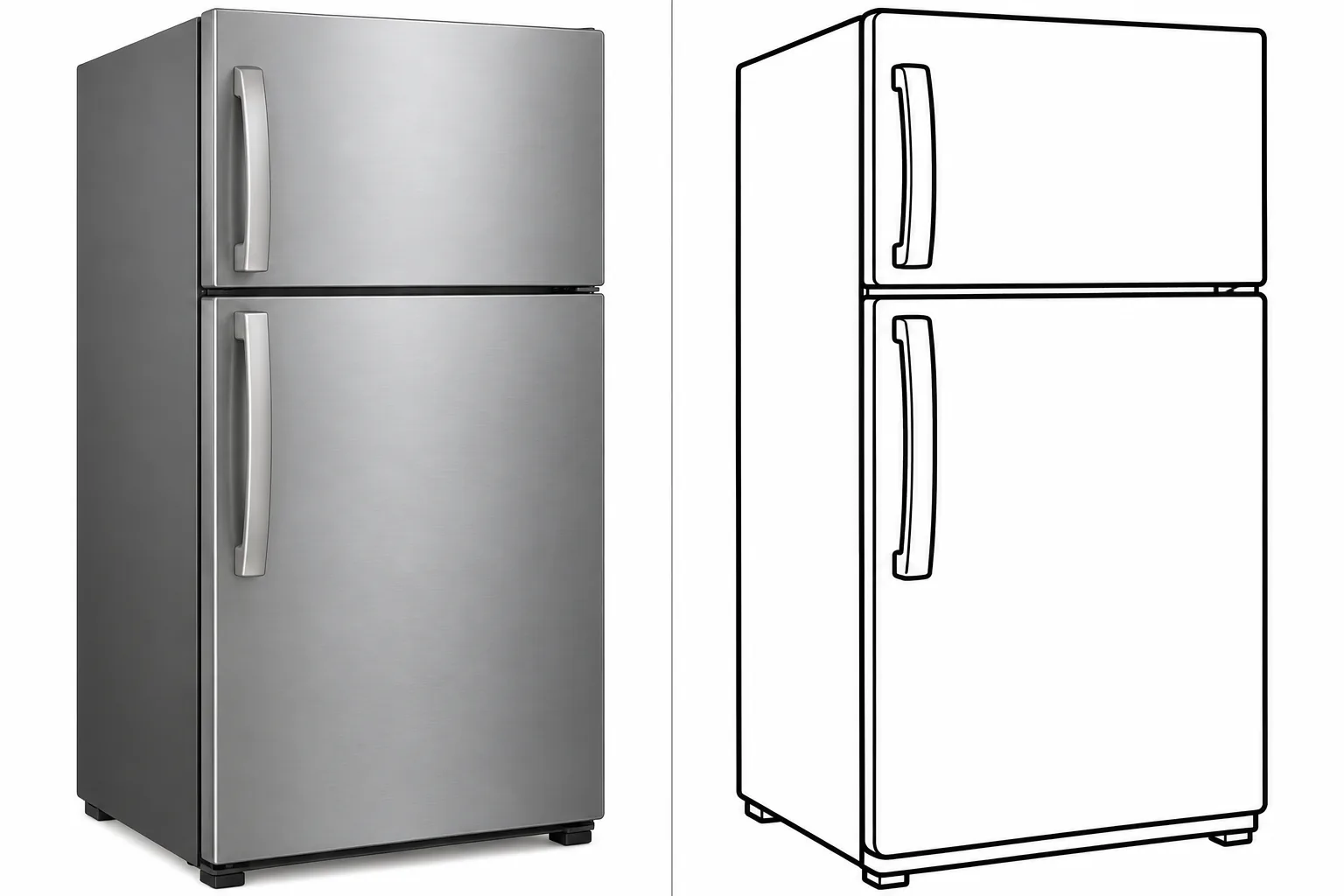
The fridge is easy to miss because it is always there. The hum, the click, the little shudder when it starts.
We did the same thing. We made a black-and-white drawing of the ref and turned it into a coloring activity. Same idea: play first, little by little, no pressure.
How does it feel now? We have no more problem with it.
Sound 4: What happened at the toilet flush?
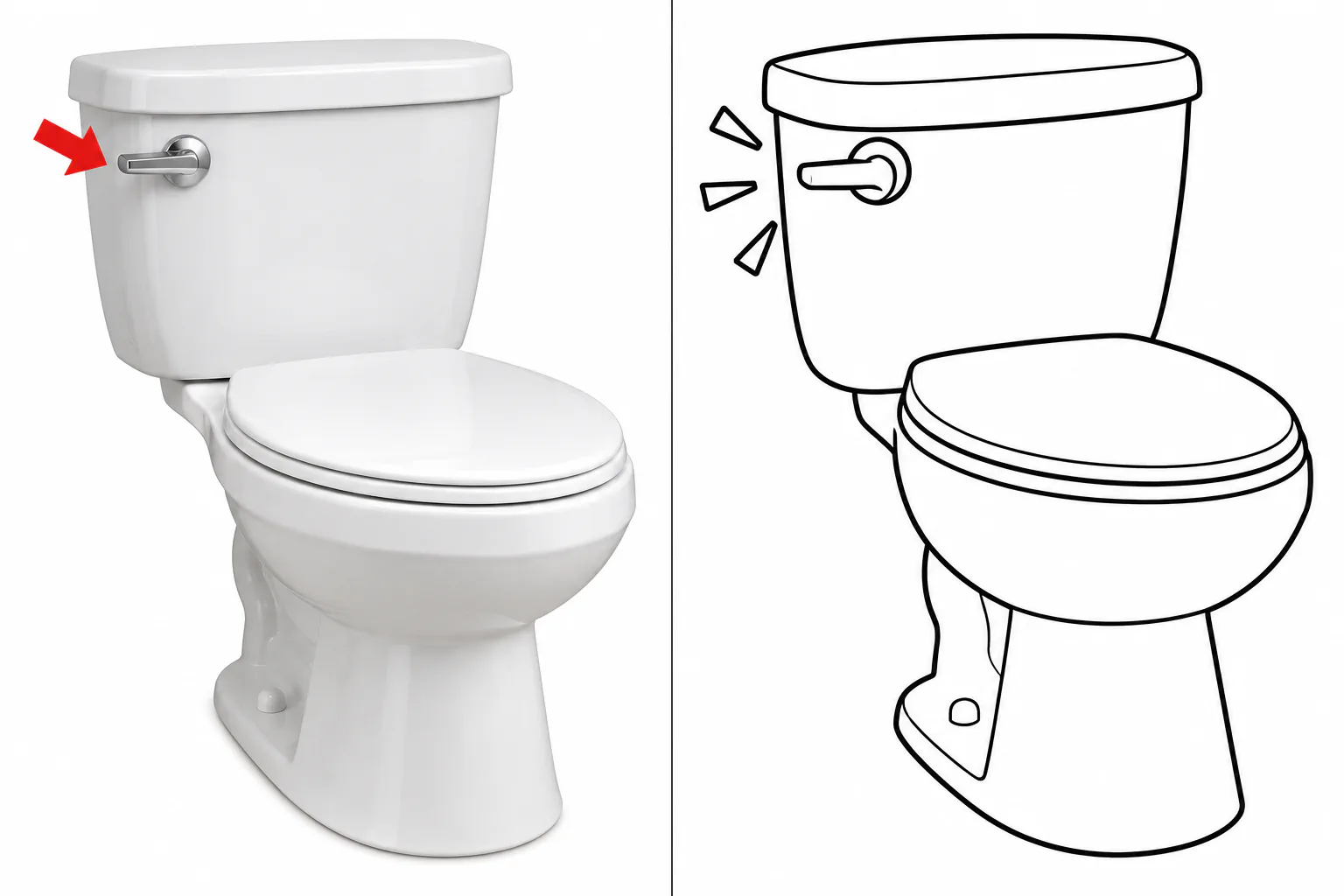
The flush was the hardest, and it was also tied up with potty training. If you have been through that, you know how big it can feel.
Here is what we did. I went with him every morning. He sat, and we counted from 5 to 1 together. Then we stopped there, and we did not make him flush.
Slowly, we made it a little bigger. We counted from 50 to 1, just sitting there. Eventually he started to pee, and then to poop. Then, one day, he flushed it himself. It may sound easy, but I cried a river here. My husband would console me with these words: “It will get worse before it gets better.”
After six months, we achieved potty training. Then we had a brand-new problem. He would not stop flushing! We laughed (a lot, after we were sure no one was upset), because it meant he was not afraid anymore.
The unlimited flushing deserves its own story. Our full potty-training story is in this article: If Potty Training Feels Impossible, You’re Not Alone.
Sound 5: How did we cope with the vacuum cleaner?
The fifth sound was the vacuum cleaner. We used the same approach as before: play first, little by little, with no pressure. Later, we let him play with the vacuum cleaner carefully, and he drew it and colored it too.
What did we learn from all five?
Today, we have moved past all five. On some days he still covers his ears, but it is far less than before.
Looking back, a few things stood out:
- A meltdown has a reason. Find the sound before you look for the behavior.
- Play makes a hard thing smaller. A drawing and a crayon were stronger than we expected.
- Go slowly. Short bursts, small counts, and a little more each time.
- Celebrate the tiny win, like a child who turns off the hot water switch by himself.
Again, this is what we chose for our son. Every child is different, and this is not a diagnosis. If your child has strong reactions to sounds, a licensed professional can help you decide what to do. We are only parents sharing what we do at home.
What can you notice while you wait for answers?
If your child has big reactions to sounds, you do not need to fix anything today. You can start by watching, the same way we did.
Here are a few small things worth noticing:
- Which sound? Write it down, even if it seems silly, like the fridge.
- When does it happen? Some sounds are fine on a calm morning and too much at the end of a long day.
- What does your child do? Covering ears, running away, crying, going very still. Each of these tells you something.
- What helps afterward? A quiet corner, a hug, a favorite blanket, or just space.
A short list like this will help you see patterns. It will also help a licensed professional if you decide to talk to one.
If you are waiting for an assessment, our post on six ways to see how your child communicates is another gentle place to look while you wait.
There is one more story we want to tell. Our son also had a hard time with classmates singing and with nursery rhymes at school. That one deserves its own post, so keep an eye out for it.
And if you are working on helping your child talk more, our post on how to help your child talk more at home goes well with this one.
If you would like simple steps for talking, playing and learning at home, our free guide is a good place to begin. You do not have to figure this out alone.
Common questions
Why do everyday sounds upset some children?
Some children find sounds louder or more sudden than we do. Noticing which sounds, and when, is a good first step. A licensed professional can say more.
What can I do when the blender starts?
We started with short bursts of blending and made it a little longer each time, until he got used to it. We did not force it, and every child is different.
Can school sounds cause meltdowns too?
They can. We will share our story of nursery rhymes at school soon.
Want a gentle next step?
Our free 14-day guide walks you through simple steps, one small day at a time.
Get the free guideRead next
- Waiting for an Assessment? 6 Ways to See How Your Child Communicates
- How to Help Your Child Talk More at Home Without Feeling Lost

Iryne is a mama and the creative force behind Somera Solutions. With a background in engineering and over 10 years of technical writing, she shares simple, gentle steps for families supporting a child’s communication and early learning at home. She and her husband, Marvin, homeschool their son on their farm in Kiblawan, Davao del Sur, The Philippines.